20 reasons why we'll all return to Portugal when this is finally over

Comment

20 reasons why we'll all return to Portugal when this is finally over

In the new dawn of travel, when the starting gun has sounded and we are all longing for a taste of the unknown, exotic or merely different, Portugal is that rare thing of being near but with beaches that rival the Caribbean, of being foreign but familiar. Best of all, they love us. After all, Portugal is England’s oldest ally with a friendship formalised in 1386 when Richard II of England agreed the Treaty of Windsor with John I of Portugal promising, among other things, ‘If in time to come... we shall need the support of the other, the ally shall be bound to give aid and succour to the other’. It was something that played out in the ICU at St. Thomas’s just the other day.

Here are 20 more reasons why Portugal should be your first holiday after lockdown is lifted.

1. Pastéis de Nata

This little custard tart, with a delicate dusting of cinnamon, has started popping up everywhere due to its popularity.  But these imitations pale in comparison to the real thing, eaten still warm under blue Lisbon skies. For authenticity, head to Pastéis de Belém, where the recipe originated in 1837, brought, some say, through a secret underground corridor by monks in the kitchen of the magnificent, neighbouring Monastery of Jerónimos.

Belem Pastry

2. The beaches

They are the finest in Europe. In the Algarve, cove after sandy cove framed by mellow, yellow, limestone cliffs run along the coast alternating with long, as-far-as-the-eye-can-see stretches of sun-burnished sands. In the east of the Algarve they are washed by gentle seas, infiltrated by a bit of Mediterranean warmth, in the west, they are pounded by the fierce Atlantic. Travel up the coast of Portugal, past beaches like Odeceixe, a turquoise swirl of river running through it, to the seductive, powder-white sands of Comporta. Then on to Lisbon’s playground of Estoril and Cascais, where a lick of golden beach runs in front of the grand old 19th-century villas; and onwards and upwards to Foz, where the River Douro flows into the sea and simple fish restaurants line the sand.Portugal's 10 most beautiful seaside towns

3. The wine

One of Portugal’s best-kept secrets is its wine. An infinite number of small producers keep volumes low, meaning the world doesn’t get to see the treasures of the Portuguese vineyards. From the Douro in the north – the oldest demarcated and regulated wine area in world – to new wineries like Herdade Aldeia de Cima in the Alentejo, whose elegant and complex wines are preserving the history of a region which has grown grapes for over 2,000 years. 

4. Tiles

Nothing is quite so Portuguese as the tiles that glint in the white sun on the Lisbon façades or the blue and white tiled panels inset in Porto’s grey granite. In the Algarve, rust-red Santa Catarina tiles cover the floors, the faint white stripes on them, done by the fingertips of the artisans who make them. In the Alentejo, geometric tiles come in browns and yellows, greens and blues, echoing the colour of the surrounding landscape in spring.

Portuguese tiles.png

5. Markets

Markets are bustling, not to be missed, affairs. Quality is superb, prices are keen and a walk through the daily (save Sundays) fish market in Olhão in the Algarve or the Saturday farmer’s market in Alentejo’s Estremoz yield rich rewards. To eat rather than shop, head to the Time Out Market in Lisbon, housed in the 19th-century Mercado da Ribeira. There, stalls from many of Lisbon’s best restaurants offer an affordable taste of their style.

6. Surfing

They gather, the surfer dudes, tanned and tousled on beaches along Portugal’s west coast to hang loose or hang ten.  Nazaré, above Lisbon, still holds a world record after Brazil’s Rodrigo Koxa surfed an 80ft wave there in 2017. Just along the coast is Peniche, an old fishing town popular with surfers for its Praia do Medão beach, off which magnificent tube waves form. It is good for learners too, with an abundance of surf schools.

Nazaré beach.png

7. Soap

Soap houses in Portugal are up there with the best. Don’t miss Claus Porto, its fragrant soaps enveloped in vibrant, belle époque wrapping, or Benamor 1925, which captures the glamour of the Twenties with its Rose Amélie soap, a tribute to favourite customer, Queen Amélie of Portugal, and its purple Jacarandá soap, a nod to Lisbon whose streets throng with Jacaranda trees in spring.

8. Coffee

It’s good, everywhere – even in the tiny corner cafés. Why? Because Portugal has a coffee culture brought back from Brazil. Ask for a Bica, or, if you want a drop of milk, a Bica Pingado. A Galão is the equivalent of a latte, while an Abatanado is a large, black coffee.   

9. Churches 

Beauty lies within as far as many Portuguese churches go. Severe and restrained exteriors reveal opulent, gilded interiors. Statues wear real clothes, walls are clad in blue and white, hand-painted tiles. From the white-washed churches of the south like the 18th-century São Lourenço in Almancil and the 16th-century São Roque in Lisbon, to São Francisco in Porto, where over 450 lbs of gold encrusts the interior, these are churches that demand a visit.

São Roque church.png

10. The light

It is the biggest feel-good factor this country has. The light here uplifts, day after day. The dawn breaks later, by about an hour, but by the time you have coffee in hand, the sun is shimmering through the trees and the Algarve’s blue skies are set for the day. In Lisbon the famous white light bounces off the Tejo River illuminating the tiled façades. And then there are the sunsets... 

11. Olive oil

A bit like the wines, Portuguese olive oil is one of the country’s best-kept secrets, but once tasted it is never forgotten. There is a huge choice, particularly in the Douro and the Alentejo where the wineries proliferate. One of the best is Herdade do Esporão’s extra virgin olive oil made from cordovil green olives. It is slightly spicy and quite fruity with a nutty finish. Salads just aren’t the same without it.

12. Heritage 

It is the backbone of the Portuguese, their heritage, and a rich seam to mine while visiting. From the epic 16th-century poem, The Luisads by Camões, celebrating the discovery of a sea route to India, to the haunting melody of Fado, sung wistfully in back streets, to the many medieval monasteries, theirs is a heritage which they carry proudly on their 21st-century shoulders. 

Fado.png

13. Handicrafts

They live from the land, the Portuguese, especially in the Alentejo. Here artisans still today work the delicate pink marble quarried near Estremoz, make clay figurines for nativity scenes in Evora, weave wool in Monsarez and throw pottery in Redondo. Across the whole country cork is used for furniture and wicker for baskets, while in the north lace and embroidery and filigree jewellery are typical. 

14. Walking trails

Well signposted and with good weather, walking is a pleasure here. There are routes through schist villages in the north, along a fisherman’s trail on the Rota Vicentina, which follows the coast line up from the Algarve to the Alentejo for 140 miles, or shorter ones like the Seven Hanging Valleys Trail in the south which is seven miles along the flower-filled cliffs above some of Europe’s best beaches.

Alentejo landscape.png

15. Port

The country’s most famous export remains a popular drink at home. Visit some of the port houses in Vila Nova de Gaia, across the Douro River from Porto, for a tasting and to explore the difference between tawny and vintage, ruby and pink. Dip into Espaço Porto Cruz beside the river in Porto for one of their cocktails such as Cruz Porto Pink – pink port with orange and chilli.

16. Cheese 

Pride of place goes to Serra da Estrela cheese, made exclusively with milk from the sheep which graze in the mountains in the north of the country. Hand-made and coagulated using cardoon thistles, it must mature for a minimum of 30 days. Unctuous and intense, it is traditionally wrapped in cloth. A similar method is used for Azeitão, another sour and salty gem which comes from Setubal, below Lisbon.

17. Blossom

Starting in January with the delicate pink almond blossom, which, from a distance and en masse, appears like snow. Spring sees yellow mimosa and purple jacaranda and fragrant white orange blossom. Summer is dominated by bougainvillea, flaunting itself unashamedly, while in autumn it’s the white of the strawberry tree, whose fruit makes the popular medronho (brandy). Winter brings forther the brilliant red leaves on the poinsettia trees. 

PORTUGAL BLOOM.png

18. Food

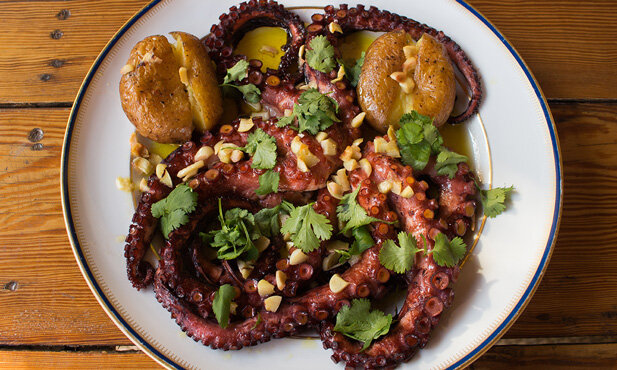
The fact that Lisbonites are called ‘little lettuces’ or ‘alfacinhas’ and people from Porto are called ‘tripe-eaters’ or ‘tripeiros’ (both of which involve a story too long to tell here) indicates the importance of food in Portuguese society.  From the national dish of bacalhau to the garlicky clams with coriander or octopus with rice, food is the centre of daily life.

19. Festivals

In Lisbon it is St. Antony on June 13, accompanied by gifts of basil and sardines grilled in the street; in Porto it is St. John on June 23, celebrated with fireworks and feasting. All over Portugal, June sees parades and festivities, many of which seem to involve jumping over bonfires.

20. Golf 

And I haven’t even mentioned the golf...

Article written by BBC Travel

Comment

Portugal History told by tradicional dishes

Comment

Portugal History told by tradicional dishes

Any gastronomy is based on the geography and history of a people. Portuguese cuisine is no exception. Much appreciated and considered one of the most varied in the world, get to know the origin of what they put on your plate each time you visit a Portuguese restaurant.

The Atlantic influences on Portuguese gastronomy are notorious, both due to the proximity to the sea and the history of a country naturally linked to discoveries. On the other hand, the cultural impact caused by the various peoples who have passed through here for centuries, including the Muslims and the Romans, have also left marked marks that today are very visible in any dish. We have one of the richest gastronomies in the world, essentially marked by the presence of fish, which is also part of the so-called Mediterranean Diet - whose base is based on the trilogy of bread, wine and oil. However, meat is also present as it moves into the territory, naturally due to the scarcity of fish, giving rise to various delicacies inspired mainly by pork and beef, not forgetting the most varied soups.

Let's try some dishes and get to know many historical curiosities.:

COD DISHES

Codfish dish

We prefer not to talk about a cod dish in particular since the topic would be too long to be addressed in this article. So let's go, and just in this case, focus briefly on the history of the Portuguese king dish. The pioneers in the discovery of cod were the Viking people. The scarcity of salt led to the drought of this food for better conservation during its long journeys. In the century. There are already reports of salting in Portugal in the 14th century, but it is with the Age of Discovery (XV) that cod is chosen as one of the essential foods in Portuguese maritime fleets. However, with the development of Portuguese cuisine and the arrival of products from India and Brazil, variations in cod dishes have multiplied. Nowadays, any Portuguese restaurant has at least one cod dish on its menu.

Amêijoas-à-Bulhão-Pato

CLAMS WITH BULHÃO PATO SAUCE

This dish is a tribute to a romantic poet of the 19th century, an authentic gourmet with skills for the kitchen, named António Raimundo Bulhão Pato, who created recipes such as Lebre à Bulhão Pato and Perdizes à Castelhana. However, the famous Bulhão Pato clams were invented by a cook from the restaurant Estrela D’Ouro, in Rua da Prata, in Lisbon. As a way of thanking António Bulhão Pato for his constant praise for his creations, the cook named the dish after his client.

FRANCESINHA

This is a gastronomic symbol of Porto and was born in 1950 by the hand of Daniel David Silva, cook at the restaurant “A Regaleira”. Returning to Portugal after emigrating to France, he took the classic Croque-Monsieur, one of the most typical French sandwiches and adapted it to the preferences of the land, stuffing it with meats and sausages and adding a much appreciated sauce that consists of true recipe secret.

Not all Portuguese restaurants have this delicacy available, but Porto is undoubtedly the best place to try it.

francesinha

OCTUPUS À LAGAREIRO SAUCE

From the salty sea to a sea of oil, the octopus wants to be tender and well watered. Lagareiro comes from a mill, precisely due to the huge amount of oil in the recipe. Legend has it that the Polvo à Lagareiro was born in Beiras, where it was customary to prepare it in the kilns' ovens, believing it could be a variation of the Cod à Lagareiro.

Duck Rice

DUCK RICE

Duck rice has its origin in the city of Braga. It is said that it appeared in popular cuisine with the need to enjoy the remains of the previous day's stew - at least the ingredients seem to prove it.
There are, however, similar dishes in other parts of the world - northern Spain or Peru, where it is known as "ñuñuma", where it is made with beer.
Legend has it that women from neighboring Spain created the original recipe so that they could enchant their intended ones more easily. The secret was in the duck's heart, hidden in the rice. Once eaten, it would provoke in men a passion for their women.
This is also a typical dish present in many Portuguese restaurants.

Comment

COVID 19 - Impact on Tourism in Portugal

COVID 19 - Impact on Tourism in Portugal

Since the beginning of the year, World has been facing a pandemic that has no parallel in the history of the Planet, such is its magnitude and social and economic impact.

It is obvious that there have been other pandemic crises before, such as the black plague, cholera, or the Spanish flu, which were more devastating in terms of fatalities and implications on the general health of the population in specific places. The difference is that all these pandemics were much more localized and never, as now, reached the 5 continents almost simultaneously. And at a time when globalization is fully established, the effects of this particular pandemic are being devastating, not only in terms of health but, and very markedly, in terms of the global economy.

Portugal, due to its peripheral geographical location, seems to be having a little more “luck” than its European counterparts. The virus arrived about two weeks late in relation to these countries at a time when the population and the Government were already alert and many measures, including confinement, were applied at a relatively early stage of the virus transmission. Probably for this reason, the effects have been more controlled than in other countries, and it seems that the so-called “flattening of the propagation curve” that is meant at not overwhelming the health services could be in the process of being achieved. However, it is important to note that the virus transmission at the current time (early April) is still growing.

And as the virus is progressing, in Portugal and in the world, it’s already wreaking havoc in the Economy. Many advance that the crisis that will follow will be something never seen, and bigger than the economic crisis of 2008. Others affirm that the crisis of 2008 was structural, while the one that will derive from COVID 19 is circumstantial, reason why it will be more easily overcome. In any case, the world must be prepared for an inevitable recession.

One of the sectors that is suffering the most from this crisis is Tourism. Lockouts, flight suppressions, individual confinement and all the other (necessary!) measures to contain the virus spread led to a literal hibernation of Tourism, and it is not possible at this stage to estimate when the sector could wake up from this lethargic state.

In Portugal, as in other places, Government has tried at all costs to put forward measures to support and mitigate the effects of the crisis in the sector, seeking to secure companies and jobs, but it is certain that many players, namely the less qualified, those with higher fixed costs and those that, with the tourism boom in Portugal in recent years, have grown immeasurably without being aware of possible falls in demand, will not be able to rise. Inevitably, jobs will be lost and companies will shut.

On the other hand, it is expected that once the pandemic is controlled, tourism will be one of the sectors more likely to quickly recover. This is because people will feel the need to travel after so much time limited in their movements, almost as a way of celebrating a regained freedom. It is also likely that governments, airlines and travel agencies will create mechanisms and promotions to attract travellers and thus revive the sector.

And it is at this point that the players who survived this crisis will be able to capitalize on the confidence that they will convey to travelers for having been able to demonstrate stability and resilience by having managed to survive a crisis of this dimension.

Finally, and hopefully, it should be noted that Portugal may have a competitive advantage in this whole process of Tourism recovery because of the way it has been able to control the spread of the epidemic, due to the quality of its National Health System, institutional solidarity, political stability and the, already visible, Government's commitment to support and promote the sector. All of these are factors that convey security and confidence to travellers. And obviously because once this all over, Portugal will continue to be one of the most authentic, most culturally rich, most diverse and most welcoming countries in the World!

With My Lisbon Holidays we will offer you the opportunity to feel and live Portugal in a tailor-made way.

Lisbon Covid-19

Percebes or Barnacles at Portugal

Comment

Percebes or Barnacles at Portugal

In search of ‘Lucifer’s fingers’

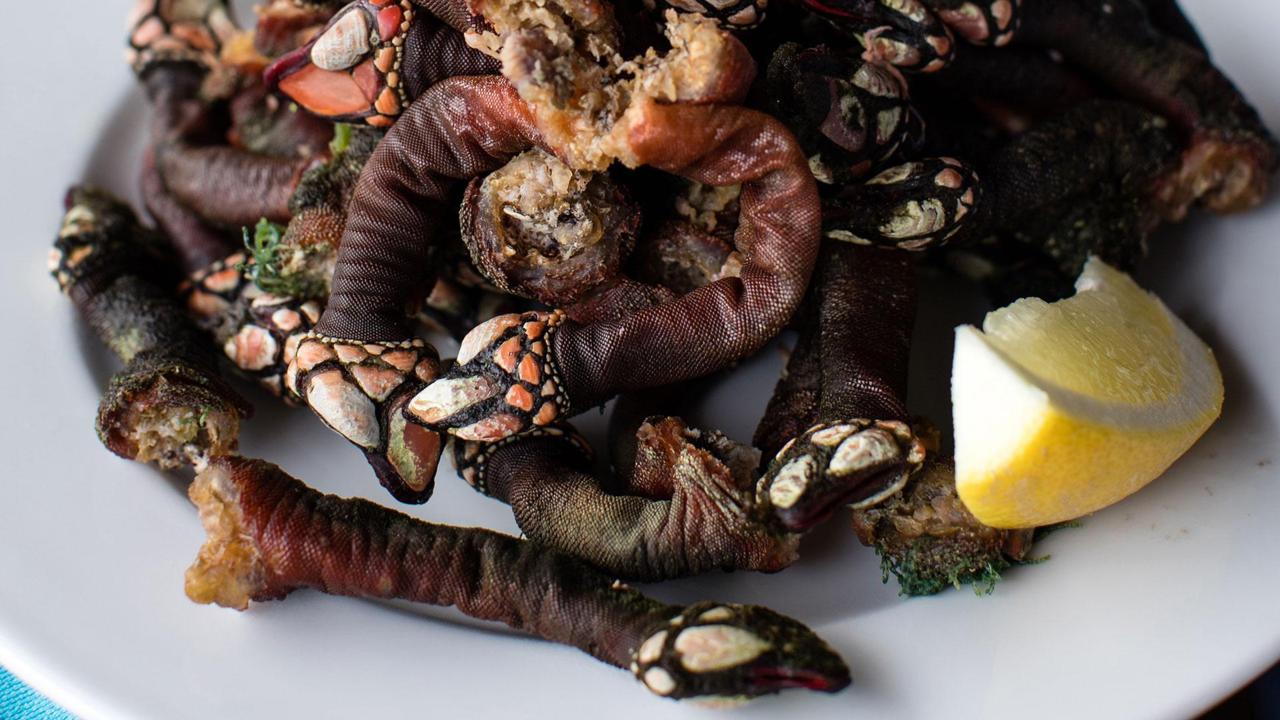
To understand why a restaurant charged me €100 for a plate of percebes – tube-shaped, gooseneck barnacles known in Portugal as ‘Lucifer’s fingers’ – I spent a day with the brave men who risk life and limb to harvest them from the country’s most south-western coastline, the Costa Vicentina.

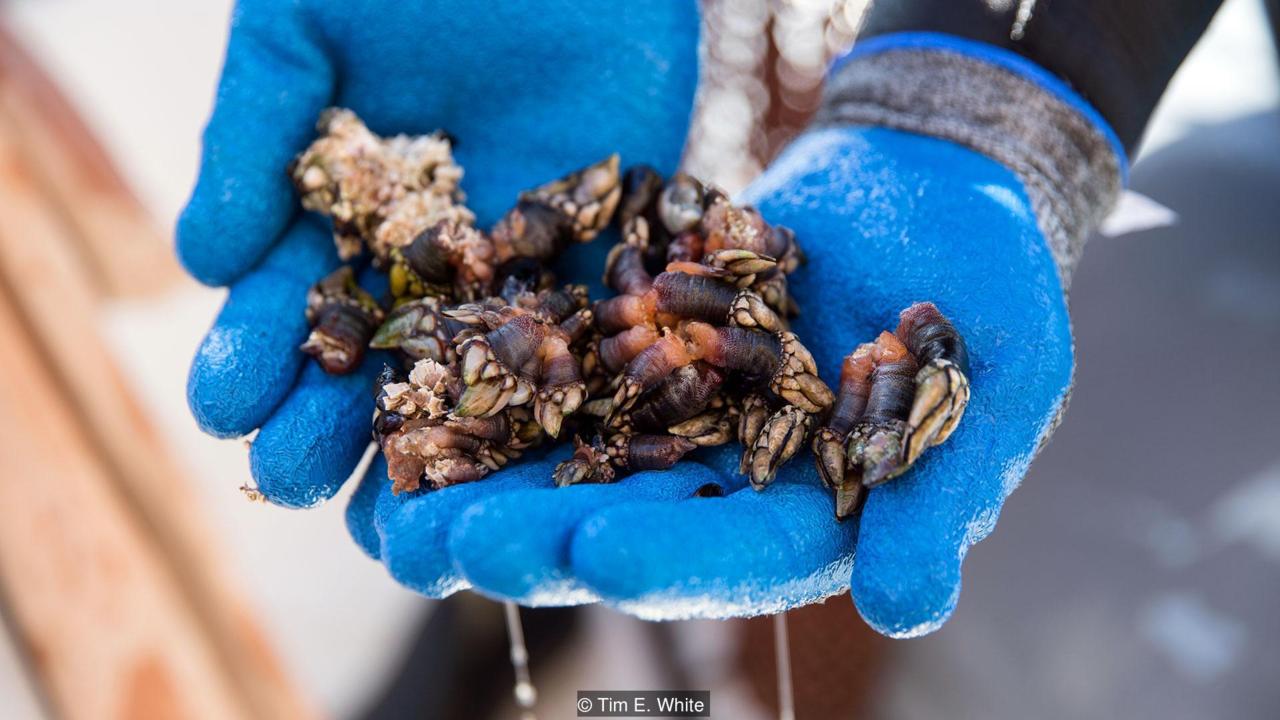
Likened to the devil’s digits because of their thick, finger-like trunks and diamond-shaped ‘feet’ that are eerily similar to claws, percebes can only grow and multiply on rocks in the ocean intertidal zone (the area between the high and low water mark), where crashing waves feed them with plankton. They cannot be farmed, and the rough sea makes it notoriously dangerous for divers to harvest them. While gooseneck barnacles can be found in other parts of the world such as Canada, they are considered a rare delicacy in Spain and Portugal. (Credit: Tim E. White)

p05qhzb0.jpg

A day in the office

Because of the culinary and monetary riches these filter-feeding ‘truffles of the sea’ (as they are sometimes called locally) offer at market, divers make the most of any bout of milder weather to hunt for them.

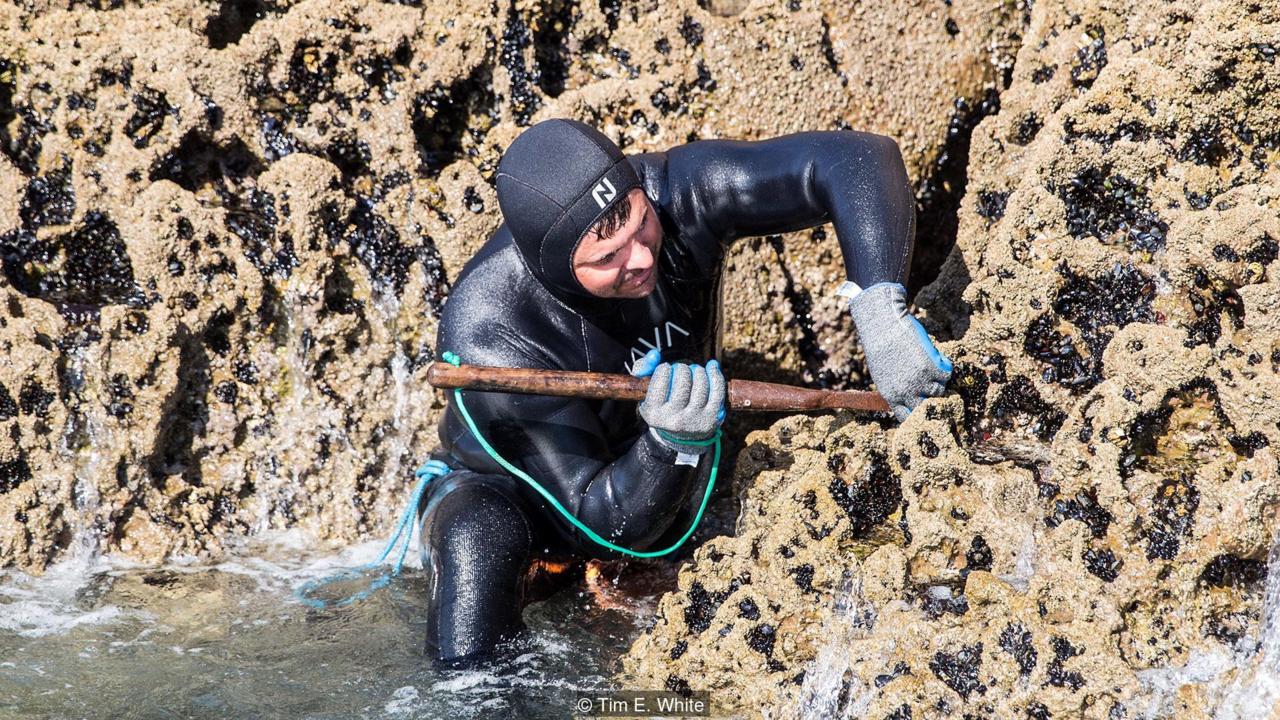
“Even a bad day on the sea is better than a good day in the office,” said Fernando Damas (pictured), a percebes diver who quit his lucrative career as an industrial designer 19 years ago to dive for percebes full time. “The ocean is full of wonderful surprises.” (Credit: Tim E. White)

p05qhzj8.jpg

A dangerous business

On the Costa Vicentina, the saying goes: “Never turn your back on God when you dive for Lucifer’s fingers.” João Rosário, a commercial diver explains that, in this case, God refers to the might of the sea. “When you dive for percebes and you turn your back on the unpredictability of the ocean, you will most likely be injured or killed,” he said. “There are many cases of divers being knocked unconscious and drowning. The ‘lucky ones’ get away with breaking an arm or leg or suffering abrasions where the rocks cut through their wetsuits.” (Credit: Tim E. White)

p05qhzks.jpg

Different schools of thought

Percebes can be reached by climbing down the cliffs or diving from a boat. There’s little consensus over which technique is the least dangerous. Those who climb down 100m cliffs by rope to chisel the barnacles off the cliff face at low tide run the risk of a fall or being crushed against rocks by the breaking waves. The alternative is to anchor a safe distance from the cliffs when the tide is slightly higher, and then swim towards the cliff face, timing each effort to chisel off the percebes to the rhythm of the ocean. (Credit: Tim E. White)

p05qhzqv.jpg

The necessity of teamwork

Percebes divers work in pairs for safety reasons, and you need to trust your partner with your life, said Damas, who has been diving with his younger diving partner Tiago Craca for more than six years. They make a perfect team, sharing decisions on when it is safe enough to go out to dive and when to call it a day. 

“He is half my age and has already saved my life,” Damas said. “That day, my head was full of other thoughts. You can’t be worrying about things – it’s dangerous if you lose focus. I did not see a large swell and my foot got stuck in a crevice. Luckily Tiago realised that I’d been underwater too long and came looking for me.” (Credit: Tim E. White)

p05qhzzp.jpg

A regulated industry

In Portugal, percebes hunting is highly regulated, and all diving activities are controlled from the town of Villa do Bispo (pictured), home to the Associacao Dos Marisqueiros Da Vila Do Bispo, Portugal’s percebes association. Only 80 diving licenses are issued each year, with most of the divers living here or in the nearby coastal town of Sagres. The local fish market in Sagres is the only place where divers are legally allowed to sell the barnacles to restaurant owners and suppliers. The daily harvest is restricted to 15kg per diver, with prices reaching between €30 and €60/kg depending on the quality and size of the percebes, according to Paulo Barata, president of the association. (Credit: Tim E. White)

p05qj072.jpg

‘Our ATM in the sea’

Despite strict regulations, the poaching of percebes remains rife; it’s a lucrative business and the marine police cannot patrol everywhere. It’s also a secretive business, and not even the licensed divers share where they have dived or plan to dive next because of the rarity of the delicacy.

One poacher at the fish market in the coastal town of Portimão, 55km east of Sagres, spoke his mind: “I don’t care about the rules. The Costa Vicentina belongs to the people – not the government. The percebes are our ATM in the sea. We have the right to withdraw our money.” (Credit: Tim E. White)

p05qj0b0.jpg


No cutlery required

It’s fair to ask what all the fuss is about; but tasting percebes more than answers the question. Imagine a lazy afternoon on a beach holiday: the sun is starting to set and a light breeze ushers in the scent of the ocean. That’s the taste of percebes.

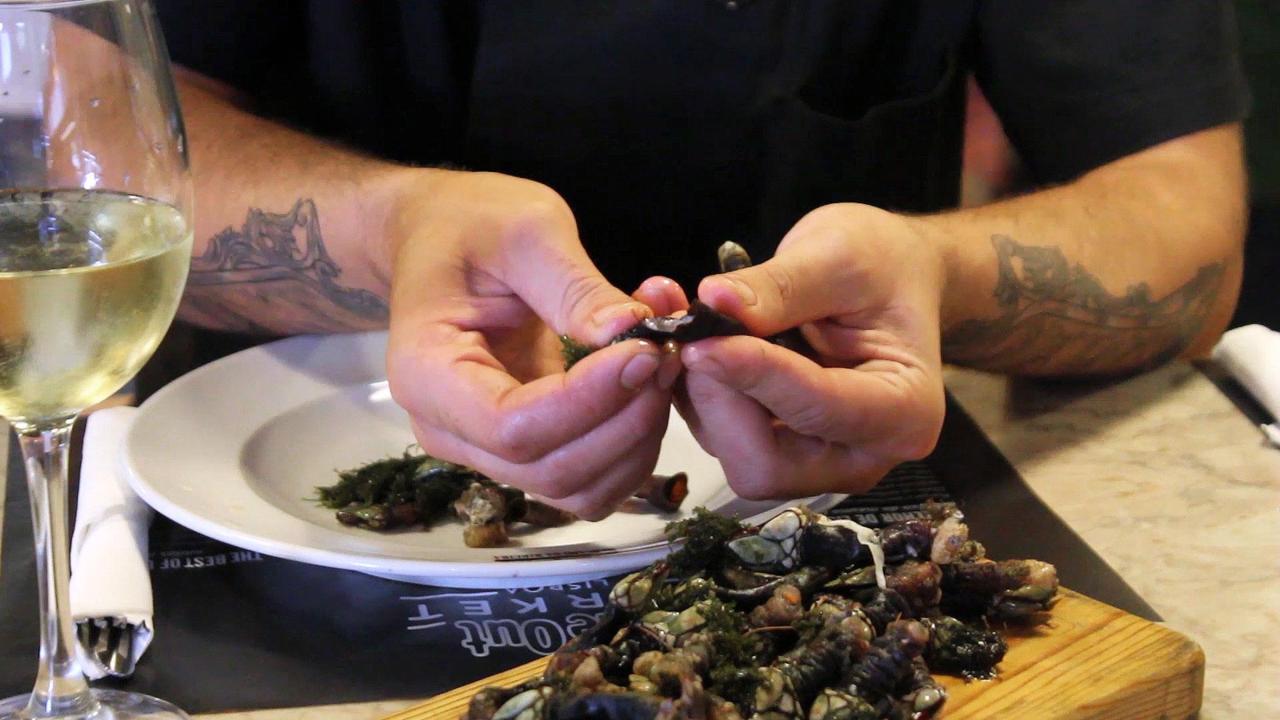
And there’s only one way to eat the devil’s fingers – with your own fingers, said Sergio Meudes, manager at Marisqueira Azul restaurant in Lisbon, where percebes appear on the menu when available. You need to firmly grab hold of the colourful claw of the barnacle and then rip the fleshy meat from the rubbery neck. “The next part is easy – eat it!” he said. (Credit: Tim E. White)

Barnicles

Only one way to prepare

There’s an overwhelming consensus among the Portuguese that there’s only one way to cook percebes properly: in boiling salted water for no longer than it takes to say the Lord’s Prayer. “Even if you pray slowly, it should never take more than a minute,” said Adriano Lemes, Marisqueira Azul’s chef. “Then spoon it onto ice to terminate the cooking process. Don’t add any spices and especially not any sauce,” he stressed.

And don’t dare mention the fact that British celebrity chef Gordon Ramsay once served percebes in a creamy sauce. The locals within earshot will throw their arms in the air and shout out sayings such as ‘falando como um verdadeiro idiota’, which is loosely translated as, “what an idiot!” (Credit: Tim E. White)


Article written by BBC Travel

Comment

BEST SEAFOOD RESTAURANTS LISBON, CASCAIS AND SINTRA

1 Comment

BEST SEAFOOD RESTAURANTS LISBON, CASCAIS AND SINTRA

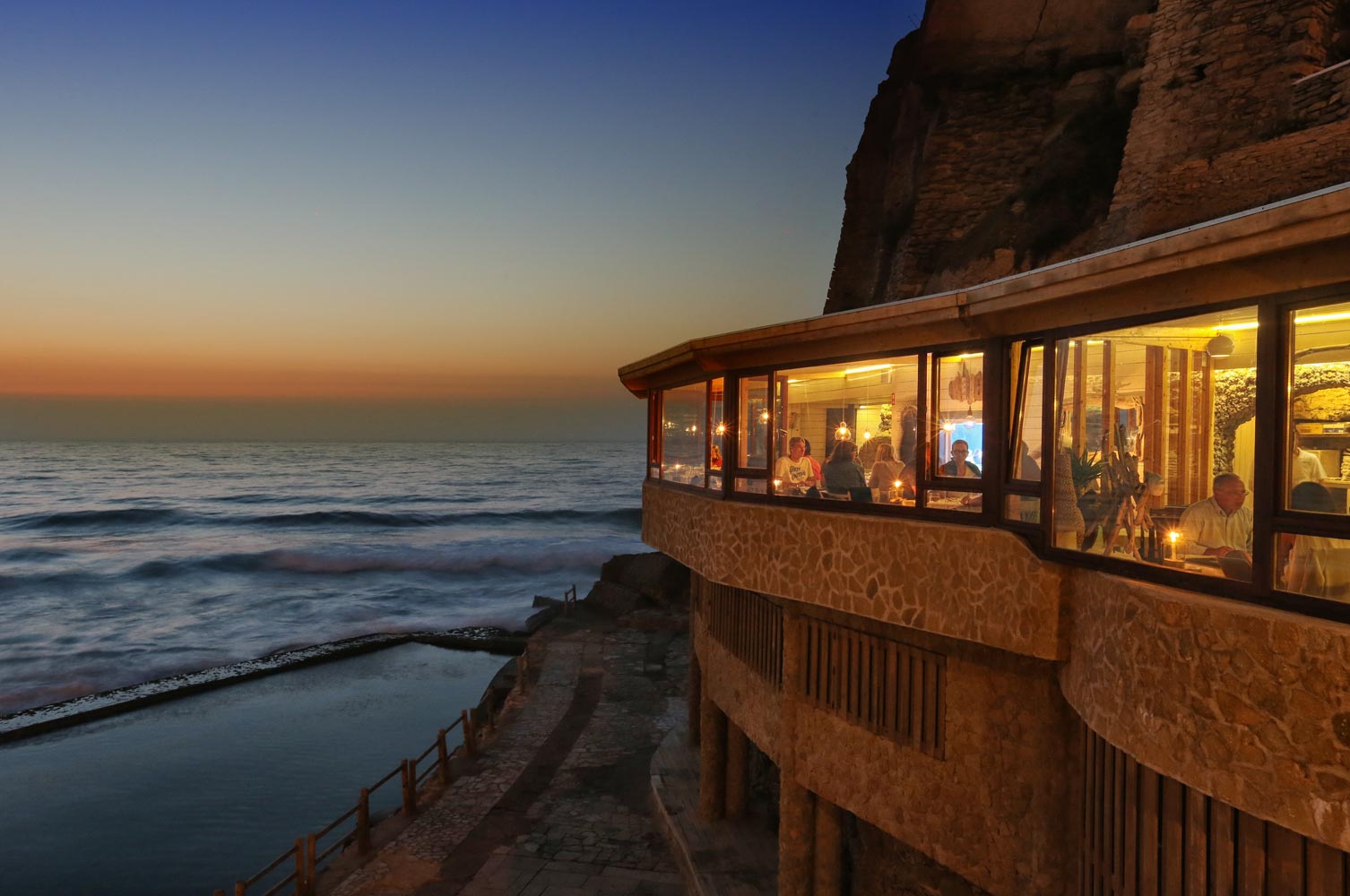
AZENHAS DO MAR

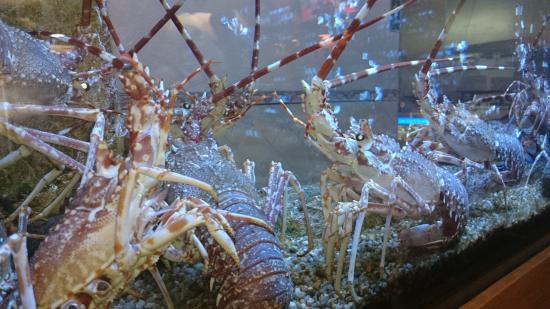
If you're eating some barnacles at this restaurant and you think you've never eaten them so fresh in your life, that's quite possible. It is the owner himself, João Pedro, who picks them up on the local rocks. And, as you know, they grow there, and well, thanks to the choppy sea of the region. So choppy, incidentally, that is able to refresh with splashes who choose the balcony of the restaurant to enjoy the (excellent) seafood offer.

Adress: Piscina das Azenhas do Mar, Colares (Sintra)


Sea Food restaurant Azenhas do Mar
 

FURNAS DO GUINCHO

It will probably be the best restaurant in Estrada do Guincho - if we don't count Fortaleza, which plays in another championship. And it has this status by a set of factors. Beginning with the beautiful space, both inside and out, following the attentive and efficient service and ending with the raw material of very high quality, coming in many cases from the restaurant's own nurseries, located in the middle of the rocks surrounding the esplanade.

Adress: Estrada do Guincho (Cascais)


furnas-do-guincho-restaurant-cascais
 

MAR DO INFERNO

Unlike its neighbors of Cascais and Guincho, the restaurant Mar do Inferno continues to have a relaxed and familiar atmosphere, because of the hosts: Lourdes Tirano and the the sons knows how to receive and advise those who visit them, whether they are new or longtime clients. And there is plenty to talk about, such is the daily supply of the house. The local seafood is always advisable. There are good clams, Algarve canopies and Berlengas barnacles that sometimes reach impressive dimensions.

Adress: Avenida Rei Humberto II de Itália, Boca do Inferno (Cascais)


restaurant-mar-do-inferno seafood
 

NUNES REAL MARISQUEIRA

Great draft beer, great fresh fish and seafood, good seafood variety.

Adress: Rua Bartolomeu Dias, 120 (Belém), Lisboa

nunes-real-marisqueira-seafood restaurant
 

PINÓQUIO

It is in an area where tourist restaurants rival in numbers with tuk tuk, but have never let themselves into the temptation of easy business. Therefore, it continues to focus on quality and serve the typical and boquia clams of Ria Formosa steamed in a coffee maker with garlic and coriander. Who does not like to have work to crabs, has here one of those places where it already comes all prepared, you just need to eat.

Adress: Praça dos Restauradores, 79, Lisboa


Pinoquio seafood restaurant
 

RAMIRO

It is by many considered the best brewery in Lisbon, and the constant queues at the door, from 6pm onwards, give you at least good arguments to discuss the statute. Ramiro has qualities similar to those already listed elsewhere in this list - a raw material of exceptional quality and variety - but it adds a very effective and attentive service: barely a last drink in the imperial one soon arrives immediately at the table. It looks like magic.

Adress: Avenida Almirante Reis, 1H (Anjos), Lisboa


marisqueira-do-lis seafood restaurant
 

MARISQUEIRA DO LIS

He may not be so popular as his neighbor Ramiro, but on the other hand, he does not have the waiting lines either. And that is a very important advantage. Count on fresh seafood, well-brewed beer and a great "prego" - Beef sandwich.

Adress: Avenida Almirante Reis, 27B (Anjos), Lisboa


marisqueira-do-lis seafood restaurant

1 Comment